


 USD
($)
USD
($) AUD
($)
AUD
($) CAD
($)
CAD
($) EUR
(€)
EUR
(€) HKD
($)
HKD
($) MYR
(RM)
MYR
(RM) GBP
(£)
GBP
(£) SGD
($)
SGD
($)




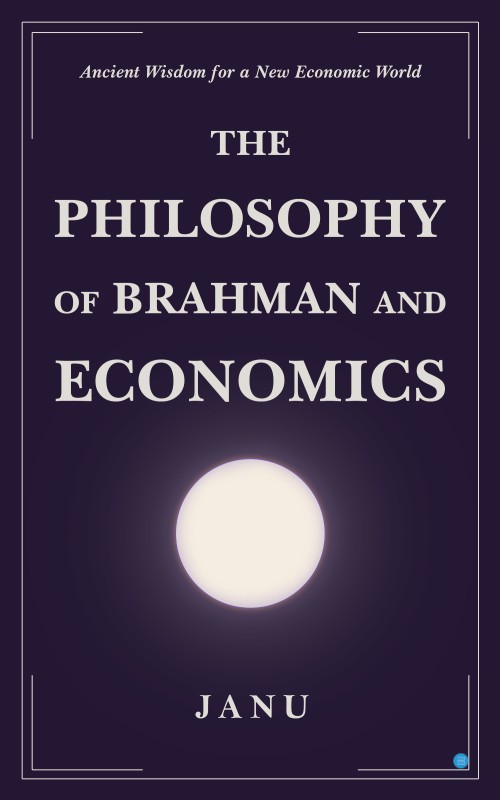

The Philosophy of Brahman and Economics
by Janu Goswami, Adeep Singh Verma | 01-Jun-2026
(0)
The Philosophy of Brahman and Economics advances a compelling and original thesis that human suffering is not fundamentally a material issue, but a problem rooted in consciousness. Even with centuries of economic advancement marked by longer...

Original
Books
Fastest
Delivery
7-day
Replacement
Book Details
- Language : English
- Pages : 276
- ISBN : 9789378255649
- Genre: FICTION
- Size : 5" x 8"
- Binding Type : PAPERBACK
- Age Group: + Years
- Paper Type : WHITE PAPER
- Interior : BLACK & WHITE
- Cover : GLOSS FINISH
- Book Type : PAPERBACK
- Tags : Brahman,Vedanta,economics,philosophy,consciousness,spirituality,nonduality,metaphysics,awakening,GDP,Bayesian,suffering,liberation,psychology,humanity
-
Best Sellers Rank :
#3550 in Fiction
#13224 in Global
Reviews
There are no reviews for this product yet.

Rs.321

Rs.195



Rs.137

Rs.399
