


 USD
($)
USD
($) AUD
($)
AUD
($) CAD
($)
CAD
($) EUR
(€)
EUR
(€) HKD
($)
HKD
($) MYR
(RM)
MYR
(RM) GBP
(£)
GBP
(£) SGD
($)
SGD
($)




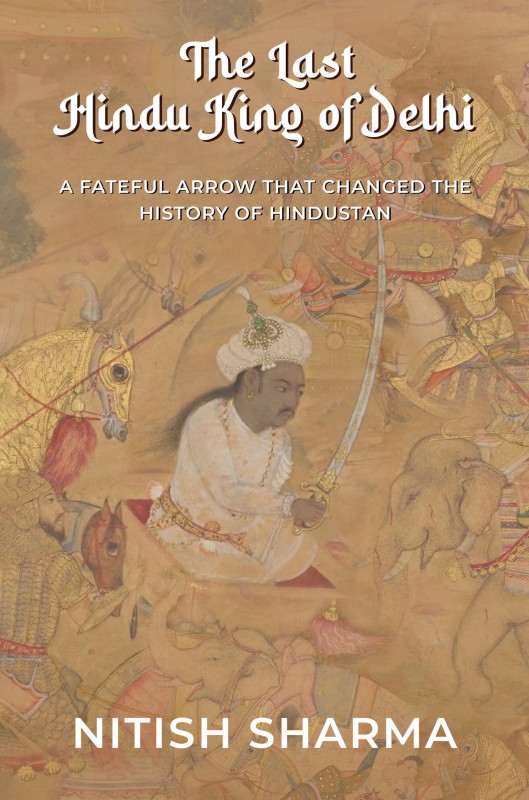
The last Hindu King of Delhi
by nitishsharmawrites | 03-Jun-2026
(0)
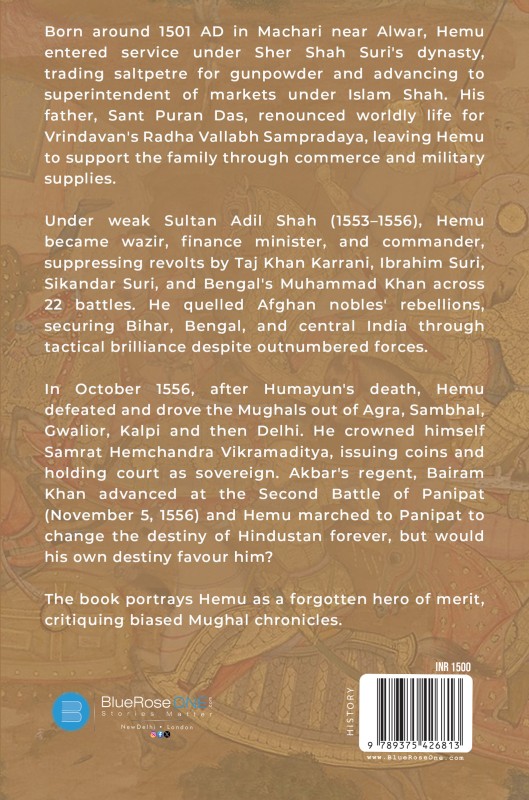
Born around 1501 AD in Machari near Alwar, Hemu entered service under Sher Shah Suri's dynasty, trading saltpetre for gunpowder and advancing to superintendent of markets under Islam Shah. His father, Sant Puran Das, renounced worldly life for Vri...

Original
Books
Fastest
Delivery
7-day
Replacement
Book Details
- Language : English
- Pages : 195
- ISBN : 9788169726184
- Genre: OTHERS
- Size : 5" x 8"
- Binding Type : HARDBOUND
- Age Group: + Years
- Paper Type : NATURAL SHADE
- Interior : BLACK & WHITE
- Cover : MATTE FINISH
- Book Type : HARDBOUND
- Tags : The Last Hindu King of India,Last Hindu Emperor,Hemu Vikramaditya,Hemchandra Vikramaditya,The Last Hindu King,Books on Hemu
-
Best Sellers Rank :
#2113 in Academics
#13264 in Global
Reviews
There are no reviews for this product yet.

Rs.321

Rs.195


Rs.137
Rs.399
