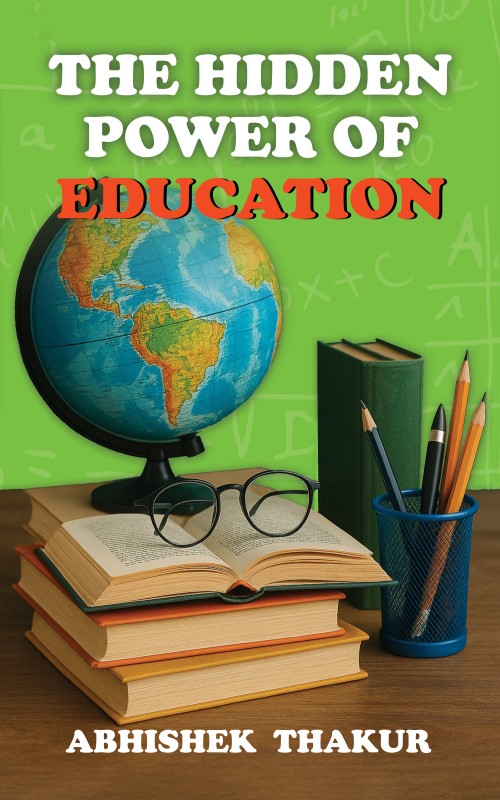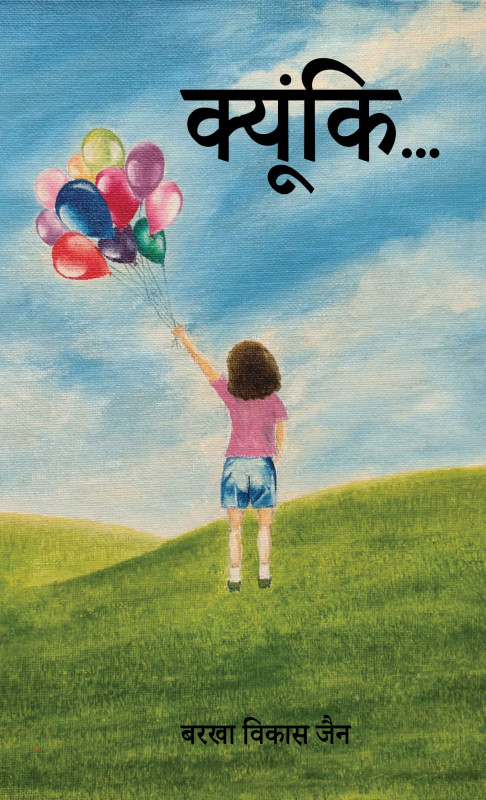

This book is about the power of education: the kind of education that simultaneously improves the quality of life both of individuals and the wider society. It explains why education must be viewed as a basic human right, as a value in and of itse...

This book is about the power of education: the kind of education that simultaneously improves the quality of life both of individuals and the wider society. It explains why education must be viewed as a basic human right, as a value in and of itself, and reviews the evidence on howeducation builds the human resources that individuals and nations need to be productive, to continue to learn, to solve problems, to be creative, and to live together and with nature in peace and harmony. When nations ensure that such an education is accessible to all throughout their lives, education becomes the engine of sustainable development – economic, social, moral and cultural. The book is unique in that it covers the development of education at all levels in all countries of the Asia-Pacific region and beyond, using the latest international data bases, while blending in analyses of both quantitate and qualitative research. The purpose of a Book summary for a Non-fiction book is to make the reader curious. By offering up just enough information to intrigue areader, but not enough to answer any questions, the reader is left with no choice but to read the book. This Book is Ultimate Guide and Eye Opening that Showing how Can THE HIDDEN POWER OF EDUCATION Can Change the hidden power to transform lives and societies. It empowers individuals, breaking cycles of poverty, and fostering social change by promoting criticalthinking, awareness, and informed decision-making. This transformative effect extends beyond the individual, influencing family health, community well-being, and even global development. In conclusion, Education is not just about acquiring knowledge; it's about empowering individuals to make a positive impact on their lives,families, communities, and the world. Ultimately The "Hidden Power of Education" refers to the often unacknowledged influence of the hidden curriculum on student development. This curriculum goes beyond the formal academic contentand includes the unspoken lessons, values, and behaviors that students absorb through their interactions with teachers, peers, and the school environment. It shapes students' attitudes, beliefs, and behaviors, impacting their social and emotional development, and ultimatelyinfluencing their educational and life outcomes.