


 USD
($)
USD
($) AUD
($)
AUD
($) CAD
($)
CAD
($) EUR
(€)
EUR
(€) HKD
($)
HKD
($) MYR
(RM)
MYR
(RM) GBP
(£)
GBP
(£) SGD
($)
SGD
($)




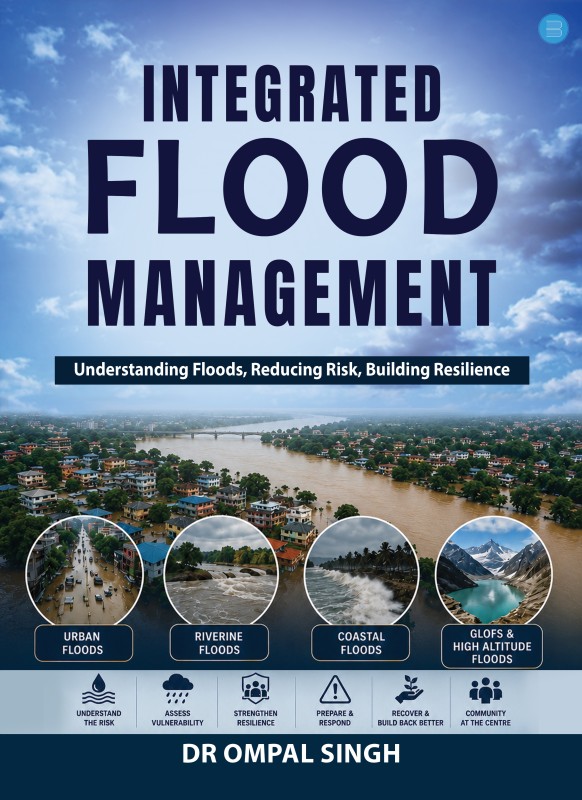

Integrated Flood Management
by Ompal Singh | 01-Aug-2026
(0)
Integrated Flood Management examines the causes, types, impacts, and management of floods in both global and Indian contexts. It emphasizes that floods are natural phenomena, but they become disasters when they affect vulnerable populations, settl...

Original
Books
Fastest
Delivery
7-day
Replacement
Book Details
- Language : English
- Pages : 627
- ISBN : 9788167440242
- Genre: FICTION
- Size : 8" x 11"
- Binding Type : PAPERBACK
- Age Group: + Years
- Paper Type : WHITE PAPER
- Interior : BLACK & WHITE
- Cover : MATTE FINISH
- Book Type : PAPERBACK
- Tags : Dr. Ompal Singh,Integrated Flood Management,Flood Risk Management,Flood Mitigation,Flood Resilience,Water Resource Management,Irrigation,Drainage Engineering,Flood Management in India,Climate Change,Urban Flooding,Riverine Floods,Flash Floods,Flood Forecasting,Disaster Management,Groundwater Recharge
-
Best Sellers Rank :
#3073 in Non - Fiction
#13851 in Global
Reviews
There are no reviews for this product yet.

Rs.321

Rs.195



Rs.137

Rs.399
