


 USD
($)
USD
($) AUD
($)
AUD
($) CAD
($)
CAD
($) EUR
(€)
EUR
(€) HKD
($)
HKD
($) MYR
(RM)
MYR
(RM) GBP
(£)
GBP
(£) SGD
($)
SGD
($)





From Luit To Mississippi
by Nurul Huda Ahmed | 06-May-2026
(0)
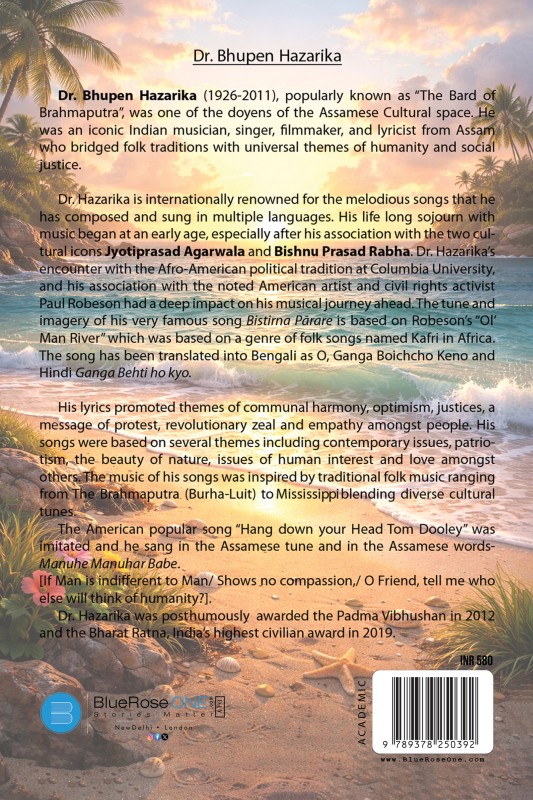
This book presents a critical study of Bharat Ratna Dr. Bhupen Hazarika (1926-2011) and his enduring contributions to Assamese art and literature. His songs transcend mere melody; they are poetry that chronicles the soul of Assamese life and socie...

Original
Books
Fastest
Delivery
7-day
Replacement
Book Details
- Language : English
- Pages : 327
- ISBN : 9789378250392
- Genre: ACADEMIC
- Size : 6" x 9"
- Binding Type : PAPERBACK
- Age Group: + Years
- Paper Type : WHITE PAPER
- Interior : BLACK & WHITE
- Cover : GLOSS FINISH
- Book Type : PAPERBACK
- Tags : Nurul Huda Ahmed,From Luit To Mississippi,Dr Bhupen Hazarika,Paul Robeson,Bishnu Prasad Rabha,Assam,Brahmaputra,Luit,Sudhakantha and Folk Songs,Hazarika,Nationalism,Assamese,Musicology,Activism,Assamese Identity
-
Best Sellers Rank :
#2064 in Academics
#12927 in Global
Reviews
There are no reviews for this product yet.

Rs.321

Rs.195



Rs.137

Rs.399
